


Mixer
Yantai Wutai Chemical Equipment Co., Ltd is a professional Machine manufacturer for Powder Coatings production. We have been engaging in this field for more than twenty years with quite a wealth of experience.Wutai’s Machinery has won high reputation from our clients world-wild depending on advanced technology, qualified equipment, creative solutions and perfect services.Thanks to the love of domestic and overseas customers, our products are enjoying a large market share both at home and abroad.Wutai offers effective whole production line for powder-coatings, including high speed pre-Mixer; single/twin screw Extruder; Cooling Belt; ACM Mill.Wutai’s Business Philosophy: Customers First; Quality Assurance; Honesty and Trustworthy. We are always expecting to establish friendly and long-term cooperation with old and new customers all over the world.
Why Choose Us
High Quality
We take pride in the craftsmanship of our products and ensure that each one meets our strict standards for quality.
Advanced Equipment
A machine, tool or instrument designed with advanced technology and functionality to perform highly specific tasks with greater precision, efficiency and reliability.
Professional Team
Our professional team collaborate and communicate effectively with one another, and are committed to delivering high-quality results. They are capable of handling complex challenges and projects that require their specialized expertise and experience.
One-stop Solution
At our manufacturing facilities, we provide a complete package that includes everything required to get you started, including training, installation and support.
Competitive Price
We offering a higher-quality product or service at an equivalent price. As a result we have a growing and loyal customer base.


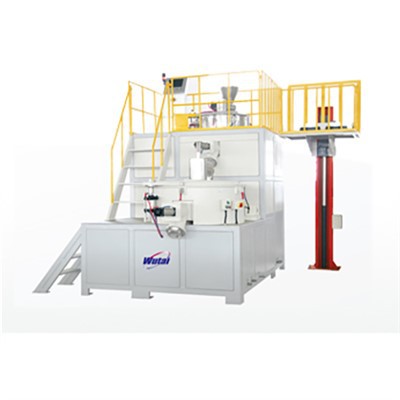

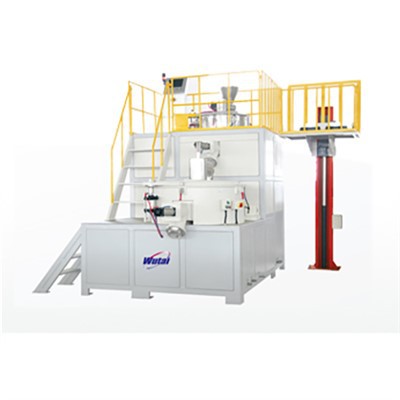


Mixer Include
What Is Container Mixer?
A container mixer is a device used for mixing substances within a container. It typically consists of a mechanical or electric agitator that rotates or moves in some way to blend the contents of the container. The mixer can be used in various applications, such as in the chemical, pharmaceutical, food, or construction industries.
Advantages of Container Mixer
Mix Evenly
Container mixers ensure thorough and even mixing of materials within the container. This is critical to achieving consistent product quality, especially in applications requiring precise mixing.
Efficiency And Time Saving
Mixing by hand can be time-consuming and may not produce a homogeneous mixture. With a container blender, the process is automated, saving time and increasing productivity.
Consistency
By using a mixer, you can replicate the mixing process consistently, ensuring that each batch of the mixture has the same characteristics. This is important to maintain quality standards and reproducibility.
Versatility
Container mixers can handle a wide range of materials, whether liquids, powders or suspensions. They can be customized to meet the specific requirements of different mixes and processes.
Better Reaction Control
In chemical reactions or processes that require controlled mixing, vessel mixers provide greater control over reaction kinetics. It can speed up or slow down the blend to optimize results.
Reduce Labor Intensity
Automated mixing reduces manual labor and labor, making the process more efficient and safer. It also frees up personnel to perform other tasks.
Increase Productivity
Through efficient mixing, production cycles can be shortened and yields increased. This means higher overall productivity and potential cost savings.
Even Heat Distribution
In certain applications, such as in the food industry, container blenders can help distribute heat evenly, ensuring consistency in cooking or processing.
Easy To Clean
Well-designed container mixers are generally easier to clean than manual mixing methods. This is important for hygiene and to prevent cross-contamination.
Space Optimization
The mixer is designed to be installed inside a vessel, maximizing the use of available space. They can be used in small spaces or in mass production.
Types of Container Mixer
Industrial Mixers
Industrial mixers for powders, granules and bulk materials are used in many industries (i.e., chemical, food, pharmaceutical, cosmetics, animal nutrition, etc.) for the manufacture of flavorings, food colorings, paints, toners, as well as the treatment of polymers, silicones, lubricants and adhesives...
Mixing operations are required at many stages of industrial processes.
Horizontal Mixers (convective)
They are equipped with an agitation system installed in a static tank. This stirrer moves the particles in groups from one place to another in the mixing tank.The stirring media used can be ribbons or blades. The paddle mixer generates a more sustained mechanical action than the ribbon mixer and offers a shorter mixing time.
Paddle Mixers
The blades incorporate a significant amount of air into the mixture, which tends to fluidize the layer of particles in the vessel and promote movement of the particles. The paddle mixers are used for many industrial applications, such as mixing mineral powders and chemical additives for production of facade plasters or tile adhesive. They can also be used for the treatment of minerals, ore or explosive powders.
Ribbon Mixers
They are used for mixing applications of more fragile products, such as in the food or animal nutrition industries.
Mixers With Secant Blades
They are suitable for applications where precise mixing is not required. For example, the treatment of polluted soil.
Conical Screw Mixer
This is a high precision mixer for all types of powders with minimal difference in physical characteristics. The conical screw mixer consists of a tank with a vertical screw mixing system which passes through the entire volume of the cone and moves the material in an upward flow.

A container blender is widely used in pharmaceutical, food, and chemical industries. This type of blender is designed to blend powders, granules, and other materials inside an IBC. One of the key advantages of a container blender is its ease of use. The IBC is loaded onto the blender, and the mixing process begins automatically, saving valuable time and labor. The blender is also equipped with advanced control systems, allowing for precise and consistent mixing. Container blenders are designed to be easy to clean and maintain, making them a cost-effective solution for many applications.
Components of Container Mixer
Container Or Mixing Container
The central component where the mixing process takes place. Usually made of stainless steel or other durable materials. Available in various shapes (cylindrical, rectangular) and sizes.
Mixing Blade Or Stirrer
Stirring element inside the container. Responsible for mixing and homogenizing materials. Different blade designs (e.g. paddles, belts, propellers) are suitable for specific applications.
Drive System
Provides the necessary rotational force to turn the mixing blades. Includes electric motor, gearbox and coupling. Ensures consistent and controlled mixing speed.
Cover Or Cover
Secure container during mixing. Prevent material spillage and ensure safety. May have additional features such as inspection ports or feed ports.
Supporting Structure Or Frame
Secure the container and drive system in place. Rugged construction to withstand mixing forces. Usually adjustable for different container sizes.
Discharge Mechanism
Allows removal of mixed products. Options include tilting the container, opening a discharge valve, or using a screw conveyor.
Cooling Or Heating Jacket (optional)
Some vessel mixers have external jackets for temperature control.
Depending on process requirements, cooling or heating is achieved during the mixing process.
Control Panel
Equipped with control switches, buttons and displays. Allows operator to set mixing parameters (speed, time, temperature).
Security Features
Emergency stop button, interlocks and overload protection. Ensure safe operation and prevent accidents.
Load Cell (optional)
For weight measurement during mixing. Can be used for precise batching and recipe control.
Automatic container mixers, also known as automatic drum mixers, are designed to automate the mixing process by allowing for the simultaneous mixing of multiple containers. These mixers come equipped with advanced technology that ensures a thorough and consistent mix every time.

Consistency
Automatic container mixers ensure consistent mixing results every time, regardless of the operator's skill level or experience. This is because the mixing process is automated and controlled by a computer, which ensures that the mixing parameters are precisely controlled and maintained.
Efficiency
Automatic container mixers are much more efficient than manual mixing methods. They can mix large quantities of materials quickly and accurately, which reduces the time and labor required for mixing.
Accuracy
Automatic container mixers are highly accurate, which ensures that the mixing ratios are precise and consistent. This is important for applications where the mixing ratios are critical to the final product quality.
Safety
Automatic container mixers are designed with safety in mind. They are equipped with safety features such as interlocks, emergency stop buttons, and safety guards, which help to prevent accidents and injuries.
Flexibility
Automatic container mixers are highly flexible and can be used for a wide range of mixing applications. They can be programmed to mix different materials and ratios, which makes them suitable for a variety of industries and applications.
Quality
Automatic container mixers produce high-quality mixing results, which ensures that the final product meets the required quality standards. This is important for applications where the product quality is critical, such as in the food, pharmaceutical, and chemical industries.
Cost-effective
Although automatic container mixers have a higher initial cost than manual mixing methods, they are more cost-effective in the long run. This is because they require less labor, reduce material waste, and produce consistent, high-quality results, which can help to reduce production costs and increase profitability.
Types of Automatic Container Mixers
Drum Mixer
Tumbling mixers are diffusion mixers that mix materials by rotating and adding air during the mixing process. They have a tumbling rhythm and do not use an impeller during the mixing process. Drum mixers are used to mix solids and powders and, in special cases, liquids.
The solids rotate through the drum as if they were being stirred, as gravity continuously pulls the mixture back to the bottom of the drum. The structures of rotary drum mixers include octagonal, conical and V-shaped.
High Shear Mixer
High shear mixer, also known as high shear reactor (HSRS) or rotor-stator mixer, is used for emulsification, homogenization, dispersion, particle size reduction and disintegration of solid and liquid materials. They are high-speed machines with powered mixing blades called scissors. Materials mixed by a high shear mixer are different from miscible materials that can be mixed easily using a low shear mixer.
High Speed Mixer
High-speed mixers are typically used where materials need to be cooled, granulated, or dispersed to move quickly and prepare them for the next processing step. They are used in industries such as food processing, pharmaceuticals and paint production. High-speed mixers come in a variety of sizes and shapes, from small high-speed laboratory mixers to industrial-scale high-speed mixers.
Belt Mixer
Ribbon mixers get their name from the shape of the blades that make up the mixer's blades, which are inner and outer spiral ribbons that move material inward and outward. The outer blades pull the product from the sides of the mixer to the middle, while the inner ribbon moves the product to the sides. This back and forth motion creates a convective mixing pattern.
Paddle Mixer
A paddle mixer has a paddle-shaped mixer that gently scoops, lifts and tumbles materials. They are ideal for ingredients of varying shapes, sizes, densities and viscosities. The scooping action of a paddle mixer is used to mix fragile ingredients, such as nuts or fiberglass strands.
Stirring Mixer
These types of mixers are used for liquid or flowable applications. Top load washing machine has visible agitation when moved. They consist of a centrally located stirring blade that remains stationary while the water is stirred during the spin cycle of the washing machine. Blenders used industrially for food and beverage processing have similar principles and construction.
Adhesives And Sealants
The adhesives and sealants industry requires the blending and mixing of miscible fluids and the dispersion of dissimilar materials with high viscosity. Mixing is the most critical aspect of adhesive and sealant production, including homogenization of the adhesive emulsion, dissolution of the polymer into the solvent, and mastication of the rubber. Mixing equipment determines efficiency and product quality.
Batteries And Electronics
Mixers are used in a variety of applications in the battery and electronics industries, including the production of alumina silica gels, pastes and slurries, and conductive inks. The choice of mixing process is based on the idea that each substance is unique and must have a mixer that matches its characteristics, properties and mixing.
Medical Marijuana
Mixers are used to mix lotions and solutions containing hash oil, CBD, THC, and cannabinoids to produce medical marijuana. High-speed dispersers are used for cannabinoid extraction, while multi-shaft mixers are used for dosing the product. High-throughput ribbon mixers are used for ingredient preparation.
Cosmetic
The cosmetics industry relies on high-quality mixers to ensure the correct production of its highly sensitive products. The use of a mixer ensures that the cosmetic solution has the correct consistency and texture. Shear mixers and multi-shaft mixers provide speed for emulsification, powder wetting and particle size reduction.
Food Industry
The food industry relies on blenders for every aspect of product production because blending is an essential component of quality food. A key requirement for food production is compliance with standards set by the U.S. Food and Drug Administration (FDA), which closely monitors any product intended for human consumption and use.
Plastics And Composites
The rapidly growing and ever-changing plastics and composites industry relies on efficient and effective mixing to produce its products. Polyamides, plastisols and injection molding formulations are aggregated, blended or mixed during the plastic production process.
Inks, Paints And Coatings
Among the many mixing and blending processes, one of the most demanding is inks, paints and coatings. In order to achieve the correct bond between ink, paint or coating and the surface, the mixture must be created using the utmost precision and accuracy to ensure the best results and product quality. The success of the process depends on the use of distributors, shear mixers and multi-shaft mixers.
Chemical Industry
As with pharmaceuticals, food and cosmetics, the success of products in the chemical industry depends on proper mixing. Mixing from high to low viscosity is used for dry blending, particle size reduction, emulsification, homogenization and powder reduction. Materials mixed include abrasives for shaping and finishing, coal suspensions for processing synthetic fuels, flotation reagents, lubricants and oils, and propellants.
How to Maintain Automatic Container Mixers
Regular Inspection And Cleaning Of Equipment
After long-term operation of the mixing equipment, a certain amount of dirt and foreign matter will accumulate, which will affect the normal operation of the equipment and even cause damage to the equipment. Therefore, it is necessary to regularly inspect and clean the equipment, including cleaning the mixing shaft, mixing arm, mixing blades and other components. When cleaning, it is strictly prohibited to use a hammer to directly remove residual mixture. Severe impact may cause the mixing blade to break.
Regularly Replace Lubricating Oil And Seals
Lubricating oil and seals are important components to ensure the normal operation of industrial mixers. It is necessary to regularly check and replace the condition of the lubricating oil and replace the sealing elements regularly to ensure the normal lubrication and sealing effect of the equipment.
Regular Inspection And Maintenance Of Motors And Reducers
The motor and reducer are the core components of the automatic container mixer, and their operating conditions directly affect the mixing effect and service life of the equipment. The motor and reducer require regular inspection and maintenance, including removing dust and dirt on the surface of the motor and reducer, and checking the operating status of the motor and reducer to ensure their normal operation.
Pay Attention To The Operating Status Of The Equipment
During the operation of the equipment, it is necessary to constantly monitor the operating status of the equipment, such as the sound of the motor and reducer, the vibration of the equipment, etc. If any abnormality is found in the equipment, it should be stopped immediately to check and troubleshoot. .
Safety Protection Measures
In order to ensure the safe operation of the automatic container mixer, complete safety protection measures need to be equipped, such as installing protective covers for the equipment, setting safety limits, etc.
Maintenance Of Wearing Parts
Consumable parts such as blades, bearings, and shaft seals need to be replaced regularly based on their frequency of use and working conditions.

What Is the Working Principle of an Automatic Container Mixers
The work of the Automatic Container Mixers is the rapid rotation of the screw to lift the raw materials from the bottom of the barrel from the center to the top, and then fly them in an umbrella shape and return to the bottom, so that the raw materials are stirred up and down in the barrel, and a large amount can be mixed in a short time. The raw materials are uniformly mixed.
How to Choose the Automatic Container Mixers Correctly
Mixing Capabilities
The mixing capacity of your mixer should be appropriate for the amount of material you need to mix. Consider the volume of the container you will be using and the amount of material you need to mix for each batch.
Stirring Speed
The mixing speed of your mixer should be appropriate for the type of material you are mixing. Some materials require slower mixing speeds to prevent damage or degradation, while other materials require faster mixing speeds to achieve the desired mixing results.
Stirring Power
The mixing power of the mixer should be suitable for the viscosity and density of the materials being mixed. Materials with higher viscosity and density require more mixing power to achieve the desired mixing effect.
Mixing Time
The mixing time of your mixer should be appropriate for the type of material you are mixing. Some materials require longer mixing times to achieve the desired mixing effect, while others require shorter mixing times.
Mixed Approach
The mixing method of your mixer should be appropriate for the type of materials you are mixing. Some materials require specific mixing methods, such as specific mixing blades or paddles, to achieve the desired mixing effect.
Material Compatibility
The mixer should be compatible with the type of material you want to mix. Some materials may be corrosive or abrasive and may damage the blender if it is not designed to handle these materials.
Cleaning And Maintenance
The blender should be easy to clean and maintain. Consider mix chamber accessibility and ease of disassembly for cleaning and maintenance.
Security Features
Mixers should be equipped with appropriate safety devices such as interlocks, emergency stop buttons and safety guards to prevent accidents and injuries.
Cost
The cost of the blender should fit your budget and expected return on investment. Consider the initial purchase price as well as ongoing maintenance and operating costs.
Precautions for Using an Automatic Container Mixers
Read The Manual
Familiarize yourself with the manufacturer's instructions and guidelines provided in the owner's manual. This will help you understand the proper operation, maintenance and safety procedures for automatic container blenders.
Personal Protective Equipment (PPE)
Always wear appropriate personal protective equipment such as safety glasses, gloves, and protective clothing when operating your mixer. This will help protect you from potential hazards, such as flying debris or exposure to chemicals.
Training And Supervision
Ensure operators receive appropriate training on the operation and safety procedures of automatic container mixers. Supervise new operators until they are familiar with the equipment and can operate it safely.
Secure Container
Make sure the container you are using is securely attached to the blender. Loose or improperly secured containers can cause accidents or damage to the mixer.
Carrying Capacity
Do not exceed the maximum load capacity of the blender. Overloading the mixer can lead to equipment failure, poor mixing results, and even accidents.
Material Compatibility
Make sure the materials being mixed are compatible with the mixer. Some materials can be corrosive, abrasive, or reactive, and using them in the wrong type of mixer can cause damage or compromise safety.
Emergency Stop
Be familiar with the location and operation of the emergency stop button. When an emergency or equipment failure occurs, the emergency stop button should be pressed immediately to stop the mixer.
Cleaning And Maintenance
Follow the manufacturer's blender cleaning and maintenance guidelines. Clean the mixing chamber and components regularly to prevent cross-contamination and ensure optimal performance.
Power Supply
Make sure the blender is properly connected to a suitable power source and that the electrical connections are secure. Avoid using damaged or frayed power cords.
Periodic Inspection
Check the mixer regularly for any signs of wear, damage or malfunction. If any problem is found, discontinue use and contact the manufacturer or a qualified technician for repair.
How to Install Automatic Container Mixers
Ensure the area where the mixer will be installed is clean, dry, and has sufficient space for the mixer and associated equipment.Follow the manufacturer's instructions to mount the mixer securely to the container or supporting structure. This may involve using bolts, brackets, or other mounting hardware.If the mixer requires electrical power, connect it to a suitable power source following local electrical codes and safety guidelines. Additionally, connect any necessary utilities such as water or pneumatic lines.According to the mixer's documentation, calibrate the mixer settings such as speed, mixing time, and other parameters to ensure optimal performance.Before putting the mixer into full operation, perform a test run to ensure it is functioning properly. Check for any leaks, proper agitation, or unusual noises.Provide training to the operators or personnel who will be using the mixer. Ensure they understand how to operate, monitor, and troubleshoot the equipment safely.Establish a maintenance schedule and follow it to keep the mixer in good working condition. This includes regular inspections, lubrication, and replacing worn or damaged components.
Our Factroy
Yantai Wutai Chemical Equipment Co., Ltd is a professional Machine manufacturer for Powder Coatings production. We have been engaging in this field for more than twenty years with quite a wealth of experience.Wutai’s Machinery has won high reputation from our clients world-wild depending on advanced technology, qualified equipment, creative solutions and perfect services.Thanks to the love of domestic and overseas customers, our products are enjoying a large market share both at home and abroad.Wutai offers effective whole production line for powder-coatings, including high speed pre-Mixer; single/twin screw Extruder; Cooling Belt; ACM Mill.Wutai’s Business Philosophy: Customers First; Quality Assurance; Honesty and Trustworthy. We are always expecting to establish friendly and long-term cooperation with old and new customers all over the world.

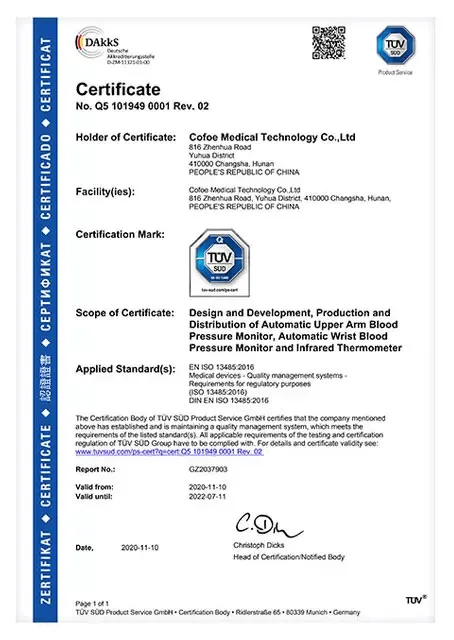
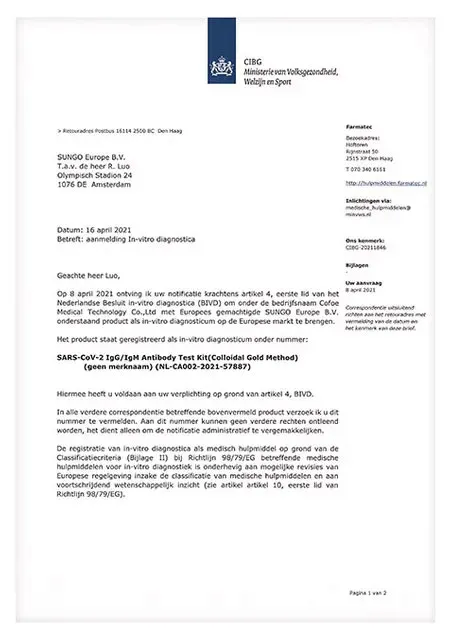
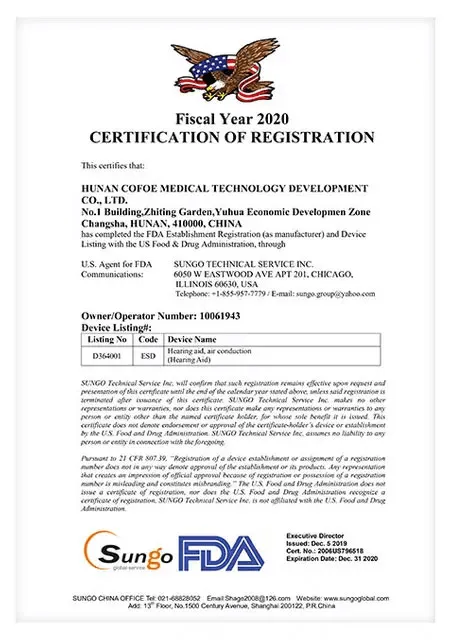
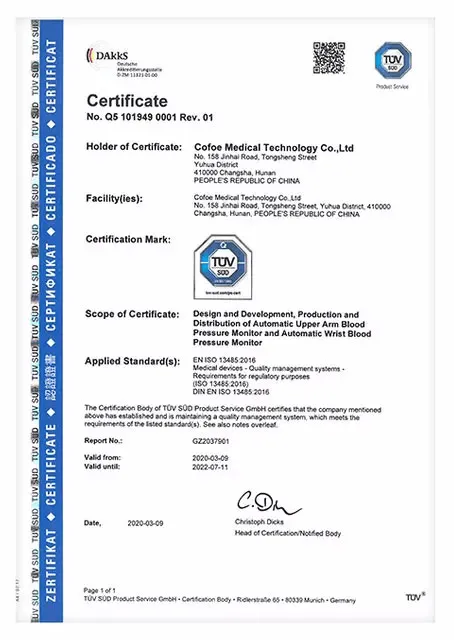
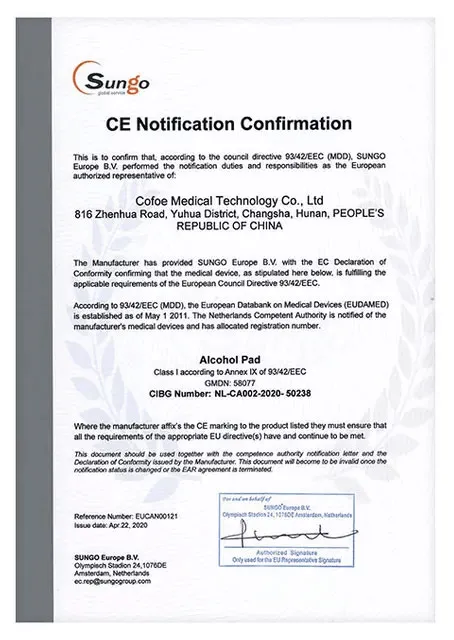
Our Certificate

Video
FAQ
Q: How do you size a mixer?
Q: How does a speed mixer work?
Q: How do I choose a mixer?
Q: How much does a mixer hold?
Q: How much speed does a mixer need?
Q: What is a good speed for a mixer?
Q: What is the rpm for mixer?
Q: Why are mixers good?
Q: How does an automatic container mixer work?
Q: What are the benefits of using an automatic mixer?
Q: Can I customize the mixer to fit my specific container size?
Q: What types of materials can be mixed with an automatic mixer?
Q: How do I control the mixing speed?
Q: Is it easy to clean the mixer?
Q: Are automatic mixers suitable for all industries?
Q: What is the mixing capacity of an automatic container mixer?
Q: How do I ensure the mixer is installed correctly?
Q: What kind of maintenance is required for the mixer?
Q: What Is container mixer?
Q: How do I clean a mixer?
We're well-known as one of the leading mixer manufacturers and suppliers in China for our quality products made in China with competitive price. Please feel free to buy bulk mixer in stock here from our factory.
ZXH Series Cone Mixer