


Extruder
What Is Extruder?
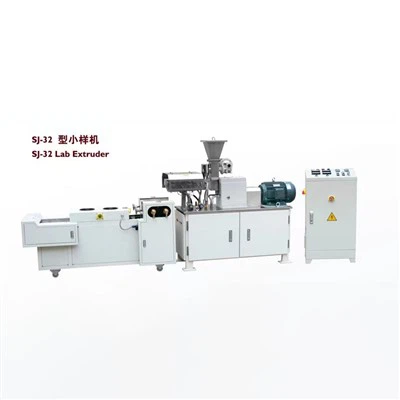
An extruder is a piece of equipment widely used in the manufacturing process. It is mainly used to shape raw materials into products of specific shapes by heating, melting and extruding them. This process is called extrusion and is commonly used to produce a variety of materials including plastics, rubber products, metals, food, and more.
Advantages of Extruder
Versatility
One of the main advantages of extruders is their versatility. They can process a variety of materials, including plastics, metals, ceramics and food. This flexibility allows manufacturers to use the same equipment to produce a variety of products, making extruders a cost-effective solution for many industries.
Continuous Production
Extruders enable continuous production, which means that material is fed into the machine at one end and the finished product is continuously extruded at the other end. This eliminates the need for frequent start-stop cycles, thereby increasing productivity and efficiency. Continuous production also ensures consistent product quality since there are fewer opportunities for variations or defects to occur.
Customization
Extruders offer a high degree of customization, allowing manufacturers to create products with specific shapes, sizes and properties. By adjusting mold design, temperature and other process parameters, manufacturers can control the dimensions, surface finish and mechanical properties of extruded products. This flexibility is particularly beneficial for industries that require customized solutions to meet their specific requirements.
High Cost Performance
Extrusion is generally a cost-effective manufacturing process. High productivity, minimal material waste and low labor requirements help reduce production costs. Additionally, the ability to process a variety of materials reduces the need for multiple manufacturing processes, further reducing costs. The cost-effectiveness of extruders makes them an attractive option for both small-scale and large-scale production.
Energy Efficiency
The extruder is designed with energy saving in mind. They typically have a high power-to-output ratio, meaning they can produce a large amount of output using relatively low energy consumption. In addition, advances in extruder technology, such as the use of efficient heating and cooling systems, have further improved energy efficiency. This not only reduces operating costs but also contributes to a more sustainable manufacturing process.
Scalability
Extruders are highly scalable, meaning they can be easily adapted to different production volumes. Whether manufacturers need to produce small or large batches of product, extruders can be adjusted accordingly. This scalability enables manufacturers to quickly respond to changing market demands and optimize their production capabilities.




Why Choose Us
High Quality
We take pride in the craftsmanship of our products and ensure that each one meets our strict standards for quality.
01
Advanced Equipment
A machine, tool or instrument designed with advanced technology and functionality to perform highly specific tasks with greater precision, efficiency and reliability.
02
Professional Team
Our professional team collaborate and communicate effectively with one another, and are committed to delivering high-quality results. They are capable of handling complex challenges and projects that require their specialized expertise and experience.
03
One-stop Solution
At our manufacturing facilities, we provide a complete package that includes everything required to get you started, including training, installation and support.
04
Competitive Price
We offering a higher-quality product or service at an equivalent price. As a result we have a growing and loyal customer base.
05
Types of Extruder
Single Screw Extruder
The single-screw extruder is the basic model and works by feeding plastic material (pellets, flakes or powder) from a hopper into the extruder barrel. The material is gradually melted by a single screw and a stirred mixture is produced by a heater designed along the feed tube. The molten plastic polymer is then extruded from the mold to produce the plastic polymer with the desired final appearance shape.
Co-rotating Twin Screw Extruder
Twin-screw extruders have better and faster plasticizing capabilities. The residence time of the granular material in the extruder is longer than in a single-screw extruder, thus slowing down production time. Plastics, additives, and fillers can be fully and evenly dispersed, stirred, compressed, and kneaded to obtain higher-quality composite materials.
Counter-rotating Twin Screw Extruder
Counter-rotating twin-screw extruders generally use two screws with the same size but opposite screw directions. In order to enhance the mixing effect, the screw adopts different number of heads, variable pitch and mixing chamber structure. Compared with co-rotating twin-screw extruders, the shear is softer, the conveying capacity is strong, and the pressure reducing capacity is strong.
Blown Film Extruder
The blown film extruder production line is a device that heats, melts and blows plastic particles into films. Film blowing machines can be divided into many types according to the application materials, such as PE, POF, PVC, etc.
Plastic Film Edge Sealing Machine
The plastic film edge sealing machine is the post-processing equipment of the film extruder. It is often used in conjunction with the slitting machine. It can make plastic films into various shapes of folds and pockets, and can produce various types of plastic bags.
Plastic Bag Making Machine
With plastic packaging bags as the main product, the finished product extruded from the film: plastic bag making machine is a machine that makes various plastic packaging bags through heat sealing and slitting. Its processing range is of various sizes.
Pipe Extruder
The pipe extruder uses an extruder with a longer screw to achieve better plasticizing capacity and make the finished product extrusion more consistent and continuous.
Pipe Extruder
A pipe co-extrusion line is an extruder designed to add materials that enhance the properties of the pipe when it is produced by the co-extrusion method.
Zipper Extruder
In addition to the mold design of the extruder, the zipper extruder used in the zipper bag making machine also requires high speed and stability during production. It is necessary to consider the cooperation of the cooling system, such as ice water constant temperature system, vacuum high-pressure air drying, and clamp the chain at the appropriate time. The effect of the clip chain is extruded from the finished product.
Recycling Pelletizing Extruder
The waste plastic recycling and granulating extruder is specially designed to recycle PE (HDPE, LDPE, LLDPE) and PP packaging materials through the extrusion system, transmission system, heating and cooling system. Various recycled plastics are regenerated and granulated into plastic granule raw materials.

Extrusion Working Principle of Extruder
The feed metal used as a raw substance in the extrusion process is known as a billet or ingot. However, the feed metal must adhere to the designers' specifications. Although other forms are possible, its typical profile is circular or square. The feed metal is produced using hot rolling or continuous casting techniques.After that, the standard basic material is put into extrusion machinery, like a press, and heated to the temperature advised for the hot extrusion technique. No preheating is needed because cold extrusion works at ambient temperature.The substance is now compressed during the extrusion process, which forces it in the direction of the die. The die has a tiny hole in it. When this procedure is complete, the pressure is relieved, and the product moves on to the next step.The product is now given heat treatment to improve its qualities and get it ready for its intended use. Different thermal treatment techniques are needed for various metals. For instance, in the case of aluminum, the extruded part is first cooled before being stretched and cut to the necessary lengths. The pieces go through an ageing procedure to become hardened, which involves heating them to 350°F and letting them cool for four hours.
Three Extrusion Processes of Extruders
01
Feed Area
The feed port (the opening near the back of the barrel) is where material enters and comes into contact with the screw. The plastic beads are pushed forward into the heated barrel by a rotating screw that typically rotates at 120 RPM. The plastic particles are pushed forward and crushed by this component. The motor drives this assembly with the help of a gear reducer. Thread depth is the distance from the major diameter of the screw at the top of the thread to the minor diameter at the bottom of the thread. The flight depth remains constant in this region.
02
Melting Zone
In this zone, metal or plastic particles are melted. The extreme pressure and friction that occurs within the barrel generates additional heat. In this region, the flight depth again remains constant. Special mixing components can be used to ensure that the materials are thoroughly melted and mixed. An external thermocouple measures the temperature of this heated zone.
03
Melt Pumping Zone
In this zone, the metal or plastic is completely melted in the liquid. The thread depth in this zone is less than in the mixing zone, but is uniform. In this region, the pressure generated by the cross-sectional movement forces the melt through the forming die. When the mold is full, a cutter is placed at the end of the area to remove material.

Hot Extrusion
Hot extrusion manufacturing methods are used to produce special steel profiles with constant longitudinal sections. It works through a force called "compression." This method can produce solid or hollow profiles with complex geometries and fixed cross-sections in one go.
Cold Extrusion
The method of shaping cold metal by striking it against a piece of metal is called cold extrusion. During this stamping process, the metal is forced upward around the punch, which is accomplished by the punch (in a sealed chamber). Other names for this process include impact extrusion, cold forging, cold pressing, cold extrusion forging, and extrusion pressing.
Indirect Extrusion
The indirect extrusion method, also known as reverse extrusion, involves moving the blank and container while keeping the die stationary. The "rod" must be longer than the length of the container and is used to keep the mold stationary. The column strength of the stem determines the final and maximum extrusion length.
Direct Squeeze
The most common type of extrusion is called direct extrusion, also known as forward extrusion. The working process is to pack the blanks into thick-walled containers. A punch or screw is used to force the blank through the press. There is a reusable dummy block between the blank and ram to separate them.
Hydrostatic extrusion
In the hydrostatic extrusion process, the blank is completely surrounded by pressurized liquid unless it comes into contact with the die. Warm, cold or hot conditions can be used for this process, but the stability of the fluid limits the temperature range. The static pressure medium must be contained during static pressure extrusion, which requires a completely sealed cylinder.
Hooker squeeze
This method is also called the squeeze-down method. It is used to produce small, thin-walled, seamless cylinders made of aluminum and copper. This process involves two steps. In the first stage, the blank is transformed into a cup-shaped part. In the second stage, the walls of the first cup become thinner and elongated.
Impact extrusion
Impact extrusion is an extrusion technology that uses a press to produce metal products and objects. A motorized or hydraulic press can be used to perform this operation. However, a press must be used to force the metal shot through the die. The metal block bends as it passes through the die. This allows manufacturing companies to create new products and objects in the same shape and size as the mold used.
Operation Method of Extruder
Preparation before driving
Plastic for extrusion molding. The raw materials should meet the required drying requirements, and further drying should be done if necessary. The raw materials are sieved to remove agglomerates and mechanical impurities.
Check whether the water and electrical systems of the equipment are normal, to ensure that the water and gas path is unblocked and leak-free, whether the electrical system is normal, whether the heating system, temperature control, and various instruments are working reliably; the auxiliary machine is empty and the vehicle is tested at low speed, and observe Whether the equipment is operating normally; start the vacuum pump of the sizing table and observe whether it works normally; add oil to lubricate the lubricated parts of various equipment. If a fault is found, remove it in time.
Install the head and sizing sleeve. According to the variety and size of the product, select the specifications of the machine head.
drive
You can drive after the constant temperature. Before starting, you should tighten the head and the flange bolts of the extruder again to eliminate the difference in thermal expansion between the bolts and the head. The order of tightening the head bolts is to tighten diagonally: Evenly. When tightening the flange nuts of the machine head, the surroundings must be tight, otherwise the material will run out.
Drive Select and press the Ready to Drive button, then connect the Start button, and then slowly rotate the screw speed adjustment knob, the screw speed starts slowly. Then gradually speed up, while adding small amounts. Pay close attention to the indication changes of the host ammeter and various indicator heads when feeding. The screw torque cannot exceed the red mark (-generally 65% 75% of the torque meter). Before the plastic profile is extruded, no one is allowed to stand directly in front of the die to prevent injuries caused by bolts breaking or due to damp and foaming raw materials. After the plastic is extruded from the die, the extrudate needs to be slowly cooled and led to the traction device and the shaping die, and these devices are activated. Then according to the indicated value of the control instrument and the requirements for extruded products. Adjust each part accordingly to make the entire extrusion operation reach a normal state.
(1) Routine maintenance is a routine routine, does not account for equipment operation hours, and is usually completed during driving. The focus is on cleaning the machine, lubricating the moving parts, tightening the loose threaded parts, checking and adjusting the motor in time, controlling the instrument, working parts and piping, etc.
(2) Regular maintenance is generally carried out after the continuous operation of the extruder is 2500-5000h. The machine needs to be dismantled, measured, and identified for the wear of the main parts, replace the parts that have reached the specified wear limit, and repair the damaged parts.
(3) Do not allow empty cars to run, so as to avoid screwing and machine rolling.
(4) If an abnormal sound occurs during the operation of the extruder, stop immediately and inspect or repair.
(5) Strictly prevent metal or other debris from falling into the hopper to avoid damage to the screw and barrel. In order to prevent iron debris from entering the barrel, a magnetically absorbing part or a magnetic frame may be placed at the feeding port of the material to prevent the impurities from falling into the material.
(6) Pay attention to the clean production environment, do not let the garbage impurities mix into the material to block the filter plate, affect the product output, quality and increase the resistance of the machine head.
(7) When the extruder needs to be stopped for a long time, it should be coated with anti-rust grease on the working surface of screw, machine and machine head. The small screw should be hung in the air or placed in a special wooden box and leveled with wooden blocks to avoid deformation or bumping of the screw.
(8) Regularly calibrate the temperature control instrument to check the correctness of the adjustment and the sensitivity of the control.
(9) The gearbox maintenance of the extruder is the same as that of the general standard reducer. Mainly to check the wear and failure of gears, bearings and so on. The gearbox should use the lubricating oil specified in the machine manual, and add the oil according to the specified oil level. The oil is too small, the lubrication is not reversed, and the service life of the parts is reduced. The oil is too much, the heat is large, the energy consumption is high, and the oil is easy. Deterioration also defeats the lubrication, causing damage to the parts. The gasket (ring) should be replaced in time for the oil leakage of the gearbox to ensure the amount of lubricant.
(10) The inner wall of the cooling water pipe attached to the extruder is easy to scale and the outside is easily corroded and rusted. Care should be taken during maintenance. Excessive scale will block the pipeline and will not reach the cooling effect. If the corrosion is serious, water leakage will occur. Therefore, descaling and anti-corrosion and cooling measures must be taken during maintenance.
(11) For the DC motor that drives the screw to rotate, it is important to check the brush wear and contact. The insulation resistance of the motor should be measured frequently. In addition, check the connection wires and other components for rust and take protective measures.
(12)Designate a person to be responsible for equipment maintenance. Detailed records of each maintenance and repair situation are included in the plant equipment management file.
The working principle of the extruder is: using a screw with a specific shape to rotate in the heated barrel, the plastic sent from the hopper is extruded forward, so that the plastic is uniformly plasticized (that is, melted), through the head and different shapes. The mold is used to extrude the plastic into various shapes of plastic layers required for continuity, and extrude it on the core and cable.

How to Choose the Extruder

Identify the manufacturer. There are many manufacturers producing extruders, which causes some confusion for customers who want to buy extruders. Which one is better? The most important thing for customers is to identify powerful manufacturers.Look at the factory. Before buying the extruder, it is best to visit the factory in person. Powerful manufacturers, the scale of the factory is relatively formal, the factory area is relatively large, and the factory is fully equipped.Listen to word of mouth. The manufacturer can be allowed to provide several customers who buy equipment. Contact them yourself and ask how the plant’s equipment is. The best experience is what other customers have used.Compare prices. When purchasing machinery and equipment, it should not be purely based on low price, but should be combined with quality. Remember not to covet cheap equipment.Have the instruction manual of the extruder and whether there is follow-up after-sales service, maintenance of the extruder, etc.
- Maintaining a work environment void of oil or grease
- Never reaching under or over the machine guards
- Never wearing anything that dangles, such as necklaces, braces, watches, rings, or loose clothing to prevent limbs from getting trapped or pulled into the machine
- Never disconnecting or by-passing the guard’s safety switches
- Using only quality materials specified for this blow molding process
Never climbing between the tie-bars during hydraulic pump operation
Always wearing protective gloves when adjusting manifolds or components on the hot die head
Never reaching into the machine’s throat during granulator operation
Knowing the location of the nearest fire extinguisher
Always wearing approved ear protection to block out noise
Never using steel tools on the parting line, mold cores, and cavities
Knowing the location of the nearest first-aid kit
Always wearing safety glasses and steel-toed boots
Never standing directly below a mold suspended in the air
Regularly examining electrical cords and air hoses
Using the proper safety equipment when lifting heavy workpiece material
Never operating an extrusion blow molding machine without authorization and appropriate training
What Are The Precautions Of Extruder Machine Operation
Feeding Precautions
For the extruder's higher requirement about material finesse, it is easy for the material to get blocked. It is better to equip a feeding barrel with self-cleaning scraper on the feeding auger, making sure materials can be continuously got into the expanding chamber.
Machine Open Precautions
Start feeding in small volume and add more water. It would be better to heat the screw barrel with steam before starting the feed extruder machine. A few minutes later, use water with a certain pressure to clean the screw and thread inserts, in case of foreign objects in the barrel blocking the die hole.
Machine Shut-down Precautions
Do not shut down the extruder immediately after the production completed. First wash the inner extruding chamber and then soften the inner chamber with steam, at last wash the chamber, making sure the machine will not be blocked and can produce good quality extruded aquatic feed.
How to Install Extruder
Begin by carefully removing any supplies loaded in the printer.
Remove all zip ties (retain the Bowden tube).
Loosen the x-axis belt slightly and remove it from the bracket.
Use a wrench to tighten the eccentric washer behind the lower wheel and loosen the roller. Use another wrench and the hex key to loosen the lower wheel until there is enough space to remove the extruder.
Note any wires or connectors connected to the extruder motor and carefully disconnect them.
Remove the case hardware and proceed to the control board and wiring. Remember, there are seven screws holding the control board to the chassis.
Once you have access to the control board, unplug the two main connectors: the thermistor and the filament cooling fan connector. After that, remove the hot end wire by unscrewing the terminal and gently pulling the wire out. Then, disconnect the red and black wires related to the hot end fan
After cutting the ties holding the wiring harness to the chassis, you can finally remove the extruder and prepare to install the new direct drive.
Install new driver system:
Before making any connections, first thread the new extruder wire through the harness.
Connect the extruder fan to the junction box, keeping the same orientation as the original fan. Connect the hot end wire to the junction box. Note that they are not polarized and can be connected in any configuration.
Connect the thermistor and filament cooling fan plugs to
Before sealing the chassis, check the wiring and cable layout. Make sure the new zip ties secure the wire harness to the chassis.
Carefully replace the chassis screws, making sure the control board is securely attached to the main chassis. Pro tip: Always hand-tighten the hardware until all hardware is fully secured.
Stand the printer upright and carefully place the new direct drive extruder into place. Fine-tune the eccentric spacers for a snug fit. Slide and roll the extruder to confirm smooth movement.
Install the drive belt back onto the bracket and tighten the belt by adjusting the belt adjustment knob.
Disconnect the stepper motor control plug and connect the extension cable. You can then remove the original extruder stepper motor.
Our Factroy
Yantai Wutai Chemical Equipment Co., Ltd is a professional Machine manufacturer for Powder Coatings production. We have been engaging in this field for more than twenty years with quite a wealth of experience.Wutai’s Machinery has won high reputation from our clients world-wild depending on advanced technology, qualified equipment, creative solutions and perfect services.Thanks to the love of domestic and overseas customers, our products are enjoying a large market share both at home and abroad.Wutai offers effective whole production line for powder-coatings, including high speed pre-Mixer; single/twin screw Extruder; Cooling Belt; ACM Mill.Wutai’s Business Philosophy: Customers First; Quality Assurance; Honesty and Trustworthy. We are always expecting to establish friendly and long-term cooperation with old and new customers all over the world.

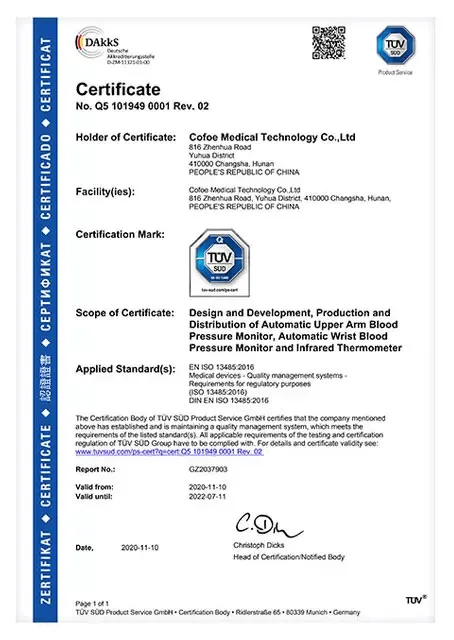
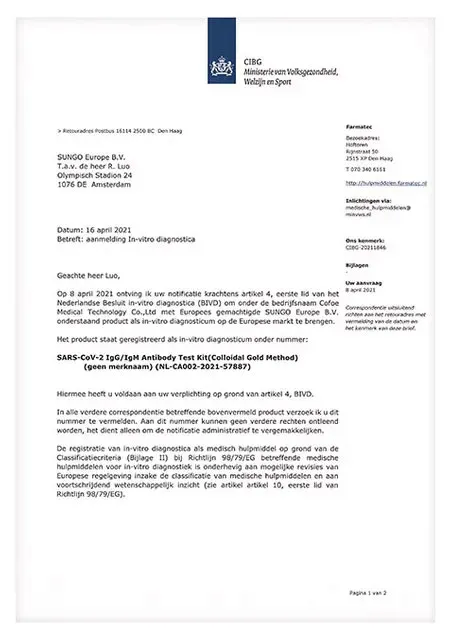
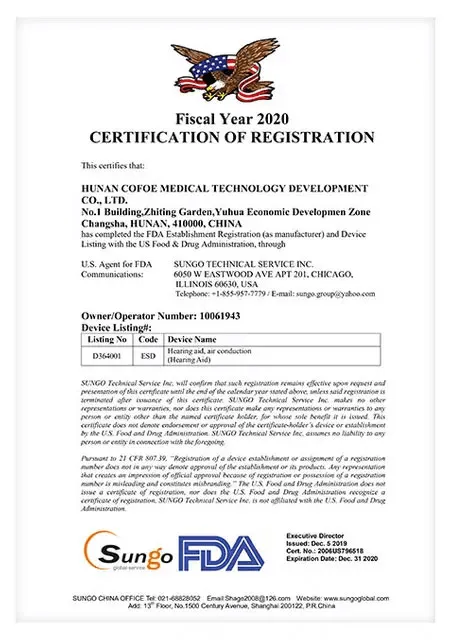
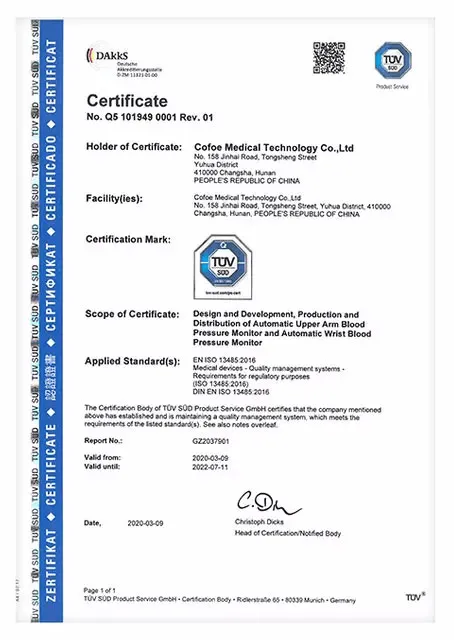
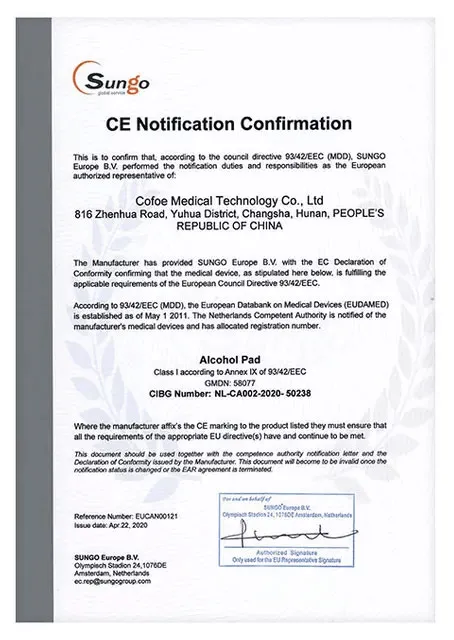
Our Certificate

Video
FAQ
Q: What is the main function of the extruder?
Q: What is the principle of extruder?
Q: Why extrusion molding?
Q: Is the extruder driven by a motor?
Q: What is extruder capacity?
Q: What products are made by extrusion?
Q: What is extruder resistance flow?
Q: What areas are there in the extruder?
Q: How to calculate the extruder?
Q: What are the standard sizes of extruders?
Q: What is extruder speed?
Q: What is the pressure inside the extruder?
Q: What is the structure of the extruder?
Q: What is the extrusion temperature?
Q: How much electricity does the extruder use?
Q: Is extrusion a mechanical process?
Q: What is an extruder pump?
Q: What is extruder clearance?
Q: What is the efficiency of an extruder?
Q: What hardware is produced by extrusion?
We're well-known as one of the leading extruder manufacturers and suppliers in China for our quality products made in China with competitive price. Please feel free to buy bulk extruder in stock here from our factory.
, Extruder