


Cooling Belt
What Is Cooling Belt?
A cooling belt, also known as a cooling conveyor or cooling tunnel, is a specialized piece of equipment used in various industries, including powder coating, food processing, pharmaceuticals, and chemicals. It is designed to cool or solidify products that have been heated or processed, such as hot powder coatings, baked goods, confectionery, or pharmaceutical tablets.The cooling belt consists of a continuous belt made of stainless steel or other suitable materials that moves through a cooling chamber. The belt is typically perforated or made of wire mesh to allow for efficient airflow and heat transfer. The cooling chamber is equipped with fans or blowers that circulate cool air over the product on the belt, facilitating rapid and uniform cooling.
Advantages of Cooling Belt
Cool Down
Belt units for cooling operate according to two physical processes: Convection cooling provides heat exchange between the product and the air. Evaporative cooling, on the other hand, removes moisture from the product. Ambient air or cooling air is passed through one or more layers of product and is used for all products where humidity levels are not restricted and must be cooled to a lower storage temperature. These include, for example, concentrated feed pellets, extruded products, dried sugar beet pulp pellets, plastic waste or graphite.
Drying
For optimal and particularly gentle drying of the product, hot air flows through the product from the top or bottom. Process air heated directly or indirectly to 200 °C is passed through one or more layers of product. It is particularly suitable for high-moisture products that may be discharged at high temperatures (e.g. cat litter, charcoal briquettes, filter sludge or metal oxides).
Drying And Cooling
The two processes, drying and cooling, are combined in a belt unit but operate independently of each other. This principle is particularly applicable to high-humidity products that must be cooled to lower storage temperatures.
Drying And Cooling With Circulating Air
To reduce emissions and heated air losses, recirculated air systems help reduce exhaust gas production. The percentage of recirculated air is individually adjustable. Particularly sensitive products are protected by reduced processing speeds. The process is therefore suitable for low final temperature products such as shrimp feed or sewage sludge.



Why Choose Us
High Quality
We take pride in the craftsmanship of our products and ensure that each one meets our strict standards for quality.
01
Advanced Equipment
A machine, tool or instrument designed with advanced technology and functionality to perform highly specific tasks with greater precision, efficiency and reliability.
02
Professional Team
Our professional team collaborate and communicate effectively with one another, and are committed to delivering high-quality results. They are capable of handling complex challenges and projects that require their specialized expertise and experience.
03
One-stop Solution
At our manufacturing facilities, we provide a complete package that includes everything required to get you started, including training, installation and support.
04
Competitive Price
We offering a higher-quality product or service at an equivalent price. As a result we have a growing and loyal customer base.
05
Types of Cooling Belt
Wire Mesh Cooling Belt
This type of cooling belt consists of a continuous wire mesh conveyor belt that allows for efficient air flow and heat transfer. It is commonly used in the food industry for cooling baked goods such as biscuits or bread, and in the confectionery industry for cooling chocolate or confectionary products.
Perforated Cooling Belt
Perforated cooling belts are characterized by uniformly spaced perforations or holes on the conveyor belt. These perforations enhance airflow and heat transfer, ensuring efficient cooling. Perforated cooling tape is commonly used in the powder coating industry to cool hot powder coatings after the curing process.
Solid Cooling Belt
Solid cooling strips are made of solid material, such as stainless steel, without any perforations or openings. It is typically used in applications where airflow is not required or where the product being cooled is airflow-sensitive. Solid cooling belts are commonly used in the pharmaceutical industry to cool tablets or capsules after drying or coating processes.
Spiral Cooling Zone
Spiral cooling belts are a special type of cooling belt designed in a spiral or spiral shape. This design allows for longer cooling paths within a compact footprint, making it suitable for applications where space is limited. Spiral cooling belts are commonly used in the food industry to cool products such as pizza crusts, tortillas, or other flat breads.
Modular Cooling Strip
Modular cooling strips are made up of individual modules or sections that can be easily connected or disconnected. This modular design offers flexibility in length and configuration, making it suitable for applications that require customization or adaptation of the cooling process to different product sizes or production requirements.
Vacuum Cooling Belt
Vacuum cooling belts utilize a vacuum chamber or system to speed up the cooling process. By reducing the pressure within the cooling chamber, the boiling point of water is lowered, allowing rapid evaporation and cooling. Vacuum cooling belts are often used in the food industry to cool delicate or heat-sensitive products such as leafy greens or herbs.
Application of Cooling Belt
Industrial Process
Cooling strips are commonly used in industrial settings to cool products or components during the manufacturing process. For example, in the metalworking industry, they are used to cool hot metal parts to prevent overheating and deformation.
Food And Beverage Processing
In the food and beverage industry, cooling strips are used for cooling and temperature control in processes such as chocolate production, dairy processing or beverage filling.
Medical &pharmaceutical
Cooling strips can be used in medical and pharmaceutical applications, such as cooling certain medications or medical equipment.
Electronics And Semiconductors
In the electronics and semiconductor industry, cooling strips can help maintain optimal temperatures for sensitive components or during assembly processes.
Laboratory And Research
Laboratories can use cooling strips to control temperature during experiments or preserve samples.
Sports & Fitness
Cooling belts are sometimes used in sports and fitness to help cool the body during strenuous activity or to reduce inflammation after exercise. These are just a few examples of specific applications for cooling
How to Choose a Cooling Belt
Aspect
Conveyor belts are made of a variety of materials, such as rubber, polyester, leather, nylon, etc. Obtaining accurate length, width and thickness is an important step in selecting the right conveyor belt.
Specification
What type of product is carried on the conveyor belt is an important part of choosing the right conveyor belt. Details include the shape, size and weight of the product being transported.


Reduce or increase requirements
The movement of the conveyor system is also an important factor to consider. If the belt moves up or down, the belt should be welded through rails, side walls or cleats. Therefore, whether it can be welded is also something to consider, because it means you need to prepare a machine to weld, such as a rail welding machine or a high-frequency band welding machine, which you can find at Beltwin.
Processing
Depending on the type, width, and function of the belt, we can provide air-cooled presses, water-cooled presses, guide machines, edge banding machines and other processing machines for belt joints. High frequency machines are used for strip welding etc.
Metal: Metals such as aluminum or stainless steel are often used due to their good thermal conductivity. They transfer heat efficiently and are durable.
Plastic: Certain types of plastics, such as thermoplastics, can be used because they are flexible and lightweight. Polyethylene or polyurethane are common choices.
Rubber Or Elastomer: Rubber or elastomer materials are chosen for their flexibility and ability to withstand temperature changes. They also provide good insulation.
Composite Materials: Composite materials that combine different substances, such as a metal matrix with thermally conductive fillers, can be used to enhance performance.
Fabric: Specialty fabrics with good heat dissipation properties are available for some cooling belt applications.
Periodic Inspection
Check the cooling belt regularly for any signs of damage, wear or leaks. Check for cracks, tears or loose connections.
Clean
Keep the belt clean by removing dirt, debris and any accumulated residue. Use appropriate cleaning methods based on the material of the belt.
Iubricating
If the belt has moving parts, follow the manufacturer's lubrication recommendations to ensure smooth operation.
Calibration And Testing
Check and calibrate your cooling system regularly to ensure it is operating properly. This may involve testing temperature controls or checking for correct fluid flow.
Prevent damage
Protect the cooling belt from excessive pressure, sharp objects or chemicals that may cause damage.
Follow manufacturer's instructions
Refer to the manufacturer's guidelines for specific maintenance procedures and recommendations.
Replace worn parts
If any part of the cooling belt shows signs of wear or failure, replace it immediately to avoid further damage.
What Is the Working Principle of an Cooling Belt
Controls
Cooling Belt can be customized to meet your packaging system’s needs for heated products, cooling them down within the amount of time they require to help ensure successful packaging. Once some products are heated, it can take a while for them to cool down before they’re suitable for final packaging, which can potentially slow down the entire production line as a result. However, properly controlled Cooling Belt can facilitate handling these products by adjusting the speed and airflow to maximize cooling. This allows the product to solidify preventing the process from taking longer than it needs to.
Size
Make sure that the company you turn to can tailor Cooling Belt to meet your application’s specific needs, because, like with other packaging machines, there isn’t a “one-size-fits-all” solution for cooling systems. Companies should offer different widths and lengths, along with complete programmable settings to modify the speed to suit the application. Without these options, you may be stuck with a system that’s incapable of giving you the desired results.
Material
Cooling Belt should be made with reliable materials, including stainless steel. Conveyors made of inappropriate or incompatible materials can be detrimental to your production line and leave your systems vulnerable to breakdowns along with subsequent downtime that can result in product loss and lost profits.
User-Friendly
Cooling Belt should also include a user-friendly operation to avoid complications for operators, helping them quickly learn how the machine functions along with speed and cooling settings. This can also help with identifying system issues and address them appropriately.
Support
A dependable company will also typically offer complete installation and field service to help maintain these machines. Factory support enables you to get the most out of your investment by increasing production rates, optimizing throughput, and decreasing down time.
If your production line handles molten materials, you need to provide a way for the product to cool down before being packaged and shipped. When you pour heated product into a container, it has to cool to reach its desired shape. A Cooling Belt is specifically designed to promote cooling and enhance the product quality. These conveyors are available in numerous sizes and can significantly increase the efficiency of your production line. Follow the steps below to design your cooling station for optimal production, preservation, and packaging.

How to Choose the Cooling Belt Correctly

Confirm the type of belt conveyor according to your application, or send your drawing to us. Confirm the basic dimensions of belt conveyor, such as length, height, belt width, etc. We will choose the right motor based on your application. Please confirm the belt speed requirements. The frequency converter can adjust the speed. Please confirm that you need fixed conveyor or mobile conveyor.Please confirm the material and types of the conveyor belt.
Precautions for Using an Cooling Belt
Train Employees On Machine Operation
Proper training is critical for employees who will operate cooling belt machines. All operators should be trained on how to use machines safely, including start-up and shutdown procedures, how to adjust speed, and how to properly clean and maintain machines. They should also be trained on how to recognize potential hazards and handle emergency situations.
Ensure Proper Machine Maintenance
Regular maintenance of your cooling belt machine is critical to its safe operation. This includes checking for loose or worn parts, lubricating moving parts and replacing any damaged parts. Neglecting machine maintenance can result in malfunctions that can cause serious injury.
Implement Lockout/tagout Procedures
Lockout/tagout procedures are critical to preventing accidents when performing maintenance or repairs on cooling belt machines. These procedures ensure that the machine shuts down properly and isolates all energy sources to prevent accidental start-up. Only authorized personnel should perform maintenance or repairs on the machine and should follow established lockout/tagout procedures.
Use Personal Protective Equipment (PPE)
Operators of cooling belt machines should wear appropriate personal protective equipment, including safety glasses, gloves and hearing protection. This device helps prevent injuries caused by hot products, moving parts and noise.
Make Sure The Machine Is Positioned Correctly
The placement of the cooling belt machine is also critical for safety. It should be installed in an area with sufficient space to allow the operator to safely access the machine. The area around the machine should be kept clean and free of clutter to prevent tripping hazards. Additionally, the machine should be installed on a level surface to prevent it from tipping over.
Follow Proper Loading And Unloading Procedures
Proper procedures should be followed for loading and unloading product on cooling belt machines. Operators should be trained to carefully load and unload products to prevent accidents such as fingers getting caught in the machine. Additionally, they should receive training on how to safely handle hot products.
Monitor Machine Operation
Operators should closely monitor cooling belt machine operation. Any unusual noise, vibration or other signs of malfunction should be reported to maintenance personnel immediately. Additionally, operators should regularly check the machine's temperature to ensure it is operating within safe operating limits.
Follow Proper Cleaning Procedures
Cleaning cooling belt machines is critical to food safety and the longevity of the machine. However, it is important to follow proper cleaning procedures to prevent accidents. Operators should never attempt to clean the machine while it is running and should follow established lockout/tagout procedures before cleaning. Additionally, they should use appropriate cleaning agents and wear appropriate personal protective equipment.
How to Install Cooling Belt
Prepare The Installation Site
Before installing the cooling strip, make sure the installation site is clean, dry, and free of any obstacles. The site should also provide adequate space and access for the cooling strip system.
Install Support Structure
Cooling belt systems often require support structures to support the conveyor belt and other components. Install the support structure according to the manufacturer's instructions, making sure it is level and securely fastened to the floor or other support surface.
Install Conveyor Belt
Install the conveyor belt to the support structure according to the manufacturer's instructions. Make sure the belt is properly tensioned and aligned and make any necessary adjustments.
Install Cooling System
Install cooling system components such as fans, blowers, or refrigeration units according to the manufacturer's instructions. Make sure the cooling system is properly connected to the conveyor belt and make any necessary adjustments.
Test System
After installing the cooling strip system, test it to ensure it is functioning properly. Run the system with test products to ensure cooling rates and airflow are adequate for your specific application.
Perform Regular Maintenance
To ensure optimal performance and longevity of your cooling belt system, perform regular maintenance according to the manufacturer's instructions. This may include cleaning, lubrication and inspection of components.
What Are the Trends and Development Directions of Cooling Belt in the Market
Cooler Belt is a type of cooling device that is used to provide cooling and temperature control for various industrial processes. It consists of a belt made of high-quality materials that helps in circulating cool air, thus maintaining the required temperature in a given environment. Cooler Belts are mainly used in industries such as food processing, pharmaceuticals, chemical, and manufacturing.
The future outlook of the Cooler Belt Market is expected to be promising. The increasing demand for temperature control systems in various industries is one of the key factors driving the market growth. With the growing need for efficient cooling solutions to preserve perishable products and maintain optimal working conditions, the demand for Cooler Belts is likely to rise. Furthermore, the increasing adoption of automation and technological advancements in industrial processes is also expected to fuel the market growth.
Additionally, the current outlook of the Cooler Belt Market is positive. The market has witnessed substantial growth in recent years, and this trend is likely to continue in the forecasted period. Factors such as rising disposable incomes, changing consumer lifestyles, and a shift towards convenience foods and beverages are driving the demand for processed and preserved products. This, in turn, is boosting the demand for efficient cooling systems like Cooler Belts.
Moreover, the market is also expected to benefit from the increasing focus on energy-efficient solutions. Cooler Belts are designed to provide efficient cooling while minimizing energy consumption, which aligns with the growing demand for sustainable solutions in today's market. Therefore, with the projected CAGR of % during the forecasted period, the Cooler Belt Market is expected to experience steady growth.
Our Factroy
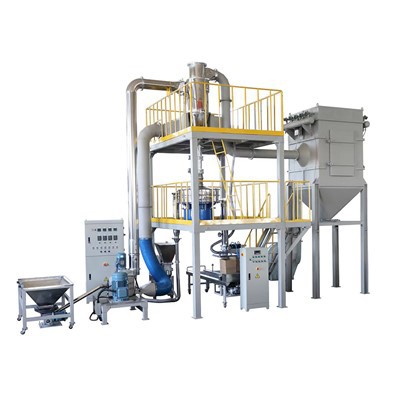
Yantai Wutai Chemical Equipment Co., Ltd is a professional Machine manufacturer for Powder Coatings production. We have been engaging in this field for more than twenty years with quite a wealth of experience.Wutai’s Machinery has won high reputation from our clients world-wild depending on advanced technology, qualified equipment, creative solutions and perfect services.Thanks to the love of domestic and overseas customers, our products are enjoying a large market share both at home and abroad.Wutai offers effective whole production line for powder-coatings, including high speed pre-Mixer; single/twin screw Extruder; Cooling Belt; ACM Mill.Wutai’s Business Philosophy: Customers First; Quality Assurance; Honesty and Trustworthy. We are always expecting to establish friendly and long-term cooperation with old and new customers all over the world.

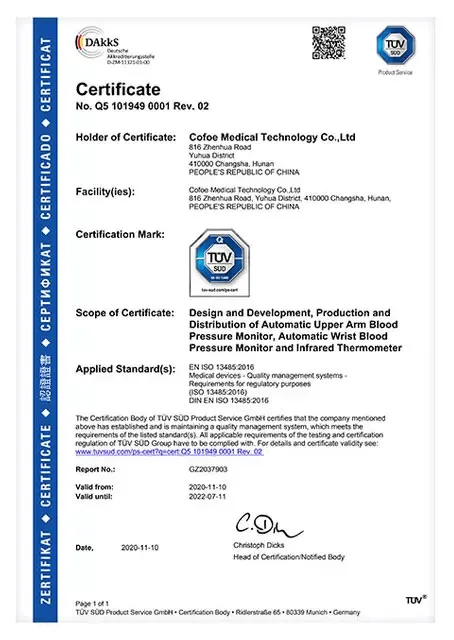
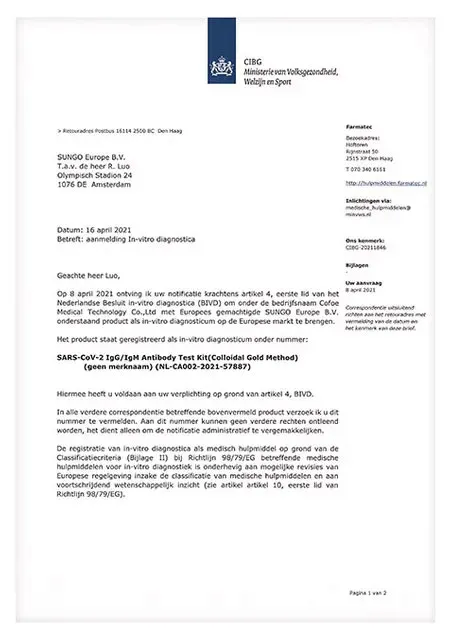
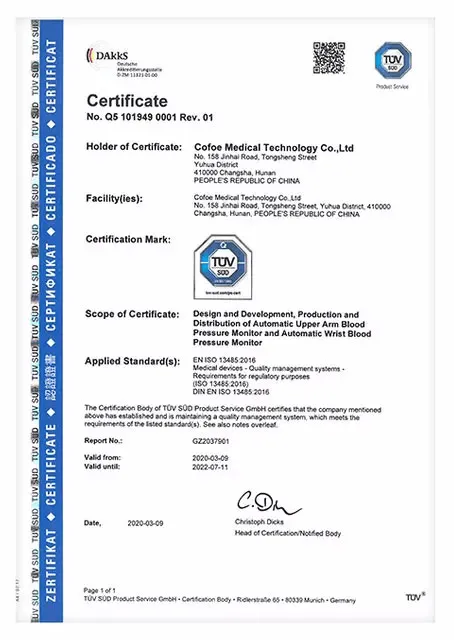
Our Certificate


Video
FAQ
Q: What is a cooling belt?
Q: How does a cooling belt work?
Q: What are the benefits of using a cooling belt?
Q: What types of products can be cooled using a cooling belt?
Q: What factors should be considered when selecting a cooling belt?
Q: What are the different types of cooling belts?
Q: What is a wire mesh cooling belt?
Q: What is a perforated cooling belt?
Q: What is a solid cooling belt?
Q: What is a spiral cooling belt?
Q: What is a modular cooling belt?
Q: What is a vacuum cooling belt?
Q: What are the components of a cooling belt system?
Q: How is a cooling belt system installed?
Q: How is a cooling belt system maintained?
Q: What are the safety considerations when using a cooling belt system?
Q: What are the energy requirements of a cooling belt system?
Q: What are the environmental considerations when using a cooling belt system?
Q: What are the cost considerations when using a cooling belt system?
Q: Where can I purchase a cooling belt system?
We're well-known as one of the leading cooling belt manufacturers and suppliers in China for our quality products made in China with competitive price. Please feel free to buy bulk cooling belt in stock here from our factory.
GSJ Series Twin Screw Extruder