


Twin Screw Extruder
What Is Twin Screw Extruder?
Twin screw extrusion machine is a widely used industrial process for producing a wide range of products from food, plastic, and chemical industries. The process is based on the principle of plasticization and homogenization of the raw material in the presence of heat and pressure. The twin screw extruder is a key component in this process as it plays a crucial role in determining the final product quality and efficiency. This article aims to provide an insight into the science behind twin screw extrusion and its applications in various industries.
Advantages of Twin Screw Extruder
Intuitively Understand The Wear And Tear Of Wearing Parts
Due to the easy opening, the wear degree of the screw elements and barrel lining can be found at any time for effective maintenance or replacement. When there is a problem with the extruded product, it will not be discovered, causing unnecessary waste.
Reduce Production Costs
When manufacturing masterbatch, it is often necessary to change the color. If a product needs to be changed, open the open processing area within a few minutes. In addition, the mixing process can be analyzed by observing the melt distribution throughout the screw. At present, common twin-screw extruders need to use a large amount of cleaning materials to clean the machine when changing colors, which is time-consuming, energy-consuming, and wastes raw materials. Split twin-screw extruders can solve this problem. When changing colors, it only takes a few minutes to quickly open the barrel for manual cleaning, thus eliminating the need for or less use of cleaning materials and saving costs.
Improve Labor Efficiency
When maintaining the equipment of ordinary twin-screw extruders, it is often necessary to remove the heating and cooling systems first, and then take out the screw as a whole. No split twin screw required. Just loosen a few bolts and turn the worm gear box handle device to lift the upper part of the twin-screw barrel and open the entire barrel for maintenance. This not only shortens maintenance time but also reduces labor intensity.
High Torque And High Speed
At present, the international development trend of twin-screw extruders is towards high torque, high speed and low energy consumption. The effect of high speed is high productivity. Split twin-screw extruders fall into this category and their speed can reach 500rpm. Therefore, it has unique advantages in processing high-viscosity and heat-sensitive materials.
Wide Scope Of Application
Suitable for processing a variety of materials; can achieve high output, high quality, and high efficiency.


Why Choose Us
High Quality
We take pride in the craftsmanship of our products and ensure that each one meets our strict standards for quality.
01
Advanced Equipment
A machine, tool or instrument designed with advanced technology and functionality to perform highly specific tasks with greater precision, efficiency and reliability.
02
Professional Team
Our professional team collaborate and communicate effectively with one another, and are committed to delivering high-quality results. They are capable of handling complex challenges and projects that require their specialized expertise and experience.
03
One-stop Solution
At our manufacturing facilities, we provide a complete package that includes everything required to get you started, including training, installation and support.
04
Competitive Price
We offering a higher-quality product or service at an equivalent price. As a result we have a growing and loyal customer base.
05
Conical Twin Screw
A conical twin-screw extruder has a pair of screws that taper toward the discharge end. The large diameter of the feed section provides high feed volumes, resulting in efficient feeding. As the material moves toward the narrower end, it experiences increased pressure and temperature, ensuring thorough mixing and melting. This configuration is particularly suitable for heat-sensitive materials and applications requiring high pressure build-up, such as PVC pipe and profile extrusion.
Parallel Twin Screw
In a parallel twin-screw extruder, both screws have the same diameter along their length. This design provides considerable processing length, thereby extending material residence time. This is beneficial for applications that require extensive mixing or devolatilization, such as the compounding of filled or reinforced plastics. However, these machines may not be as effective at building pressure as conical machines.
Co-rotating Twin Screws
The screws of co-rotating twin-screw extruders rotate in the same direction. This results in high shear rates and excellent dispersion and distribution mixing. This configuration also provides good self-cleaning properties as material is continuously transferred from one screw to the other. It is typically used in compounding applications where product uniformity is critical, such as masterbatches or engineering plastics.
Counter-rotating Twin Screws
Unlike co-rotating designs, counter-rotating twin-screw extruders have screws that rotate in opposite directions. While this configuration can provide good transport characteristics and high pressure build-up, it generally results in lower shear rates and mixing efficiencies compared to co-rotating designs. Counter-rotating twin-screw extruders are commonly used for PVC pipe and profile extrusion due to their ability to handle high filler loads.
Application of Twin Screw Extruder
01
Food Industry
The twin screw extrusion machine is used in the food industry for the production of breakfast cereals, pasta, snacks, and pet food. The high degree of mixing and kneading action provided by the machine helps in enhancing the texture and flavor of the final product.
02
Plastic Industry
The twin screw extrusion machine is used in the plastic industry for the production of pipes, sheets, profiles, and films. The machine provides the desired level of plasticization and homogenization of the raw material, which is essential for the production of high-quality plastic products.
03
Chemical Industry
The twin screw extrusion machine is used in the chemical industry for the production of polymers, resins, and additives. The machine helps in controlling the reaction kinetics and provides a high degree of homogenization, which enhances the final product quality.

Barrel And Screw
The barrel is a cylindrical chamber in which the screw rotates. The barrel is divided into different zones, each designed for a specific function such as feeding, melting, mixing and forming. It is equipped with various heating and cooling zones to control the temperature at different processing stages. The barrel is also equipped with a section for venting gases and volatiles released during processing.
COWELL Barrel And Screw Configuration
COWELL's screw and barrel are made of advanced HIP materials from Germany or the United States, and their wear resistance is four times that of ordinary metals. To ensure outstanding screw and barrel durability, we will use higher quality materials in our CWT-Mega and CWT-Plus twin-screw extruders. This enhancement will significantly improve wear resistance, ultimately minimizing the need for frequent replacement. Therefore, customers can run the machine continuously without interruption and save valuable maintenance time.
Drive System
The drive system consists of motors, gearboxes and other components. The drive system is responsible for providing power and control for the screw rotation in the extruder barrel, determining the efficiency, quality and adaptability of the extrusion process. A reliable drive system ensures consistent and precise control of screw speed and reduces energy consumption and operating costs.
Gearbox
The gearbox in twin-screw extrusion plays a vital role in adjusting the screw speed difference. The screw speed difference directly affects the shearing, mixing and kneading effects between the screws, and ultimately determines the quality and characteristics of various extruded products. . Viscosity and formulation.
COWELL Gearbox Configuration
COWELL uses high-torque gearboxes of European origin in its CWT-Mega twin-screw extruders. We have also partnered with reputable and well-known transmission brands like Zambello, Henschel, PIV and other brands known for their superior quality.
Control And Monitoring System
The advanced twin-screw extruder has an advanced control panel. These panels enable operators to monitor and adjust various parameters including screw speed, temperature profile and throughput.
COWELL Control System Configuration
COWELL offers smart HMI monitoring and control systems that simplify the entire process, eliminating the need for multiple button presses and record keeping. In this system, precise control and monitoring of variables such as screw speed, feed rate, cooling and heating are ensured.
Heating And Cooling Systems
In order to achieve precise temperature control, the barrel is equipped with heating and cooling systems to maintain the required temperature distribution at different processing stages. Electric heaters and water cooling jackets maintain the required processing temperatures for efficient material melting and forming. This helps melt, mix and shape materials efficiently.
Modular Screw Elements
The screw includes various modular elements along its length. These elements include conveyor sections, kneading blocks and mixing zones. Each element has its own unique purpose in the material processing process.
Feeding System
The raw materials are introduced into the extruder through the feeding mechanism. It controls the rate and consistency of material input. Feeding systems can include hoppers, gravity or volumetric feeders, and other specialized systems, depending on the characteristics of the material.
Vents
Some materials release gas, moisture or volatiles during processing. The exhaust port on the barrel allows these by-products to escape without affecting the extrusion process, thereby ensuring product quality.
Mold Plate
At the end of the barrel, a die molds the extruded material into the desired shape. The design of the template determines the size and characteristics of the final product.
Screen Changer
For applications requiring high-quality output, a screen changer can be incorporated to remove impurities and contaminants from the material stream, ensuring product consistency.
Material Handling System
Depending on the application, auxiliary systems such as granulators, cutters and cooling units can be added to further process and handle the extruded product.
Material of Twin Screw Extruder
Stainless Steel
Stainless steel is a popular choice for twin-screw extruder construction due to its excellent corrosion resistance, durability and high temperature resistance. It is commonly used in the food processing, pharmaceutical and chemical industries where hygiene and cleanliness are critical.
Carbon Steel
Carbon steel is another common material used in twin-screw extruders. It has good strength and durability and is suitable for applications that do not require high corrosion resistance. Carbon steel extruders are commonly used in plastics, rubber, construction and other industries.
Nitride Steel
Nitrided steel is a type of steel that has undergone a surface treatment process called nitriding. This process improves the surface hardness, wear resistance and corrosion resistance of the steel. Nitride steel extruders are typically used in applications involving abrasive or high-wear conditions.
Tool Steel
Tool steels such as H13 and D2 are used in the construction of twin-screw extruders when high wear resistance and toughness are required. These steels are known for their excellent heat resistance, hardness and ability to withstand high mechanical stresses. Tool steel extruders are typically used in applications involving highly filled or reinforced materials.
Titanium
Titanium is a lightweight and corrosion-resistant material used in some specialized twin-screw extruders. It has an excellent strength-to-weight ratio and is commonly used in applications requiring high corrosion resistance, such as the processing of reactive polymers or the medical and aerospace industries.
How to Maintain Twin Screw Extruder
If the working surface of the screw has slight wear or scratches, use a whetstone or fine emery cloth to polish the damaged area.
When there are serious wear or scratches on the working surface of the twin-screw extruder screw, the cause of the wear and scratches of the screw should be checked and analyzed, and the fault should be eliminated to avoid similar phenomena from happening again. Then repair the scratches and grooves on the screw by welding.
When there are serious damage marks on the screw and barrel, and the matching gap between the two is already large, the screw should be replaced. The outer diameter of the thread of the screw should be prepared according to the diameter of the inner hole after repair of the barrel to ensure that the barrel and screw The fit clearance is within the specified range. Or the extruder barrel produced by our company is a sleeved barrel, and the lining in the barrel can be replaced separately to ensure that the gap between the screw and the barrel is within the specified range.
It is not allowed to start the screw rotation when the machine is empty. Before driving, the vehicle should be started at low speed during empty inspection and trial operation. The shorter the rotation time, the better (should not exceed 2 to 3 minutes). If everything is normal, stop immediately.
The heating and constant temperature time before starting the machine must be guaranteed, and the heat preservation and constant temperature time after reaching the process temperature should be no less than 1 to 2 hours. This prevents the material from increasing the working rotation torque of the screw due to uneven temperature during plasticization.
Before feeding the raw materials into the extruder, proper pretreatment of the material, such as drying and premixing, can improve the extrusion efficiency, reduce screw wear, and thus reduce maintenance costs. Ensuring the consistency and quality of ingredients also helps reduce adjustments and downtime during production.
When disassembling the screw, special tools must be used to disassemble it, and heavy hammering is not allowed.
When assembling the parts on the screw together, each threaded connection part should be coated with molybdenum disulfide heat-resistant grease to facilitate next disassembly.
Regular maintenance of the co-rotating parallel twin-screw extruder is the key to reducing long-term costs. Develop a maintenance plan that includes cleaning screws, replacing worn parts, lubricating moving parts, etc. Regular maintenance reduces machine breakdowns and extends equipment life, thereby reducing repair costs and potential production downtime.
By optimizing production process parameters, such as screw speed, feeding speed and pressure settings, production efficiency can be improved and the waste of raw materials can be reduced. Using a computer control system to monitor and adjust these parameters can achieve more precise control, improve product consistency, effectively utilize equipment, and avoid damage and waste to equipment caused by mismatched production links.

What Is the Working Principle of an Twin Screw Extruder
The twin screw extruder working principle is mainly reflected in different screw shapes, and different shapes can show different production efficiency. in addition, there are a variety of speed modes that can be adjusted to ensure efficiency in production. and the processing of the product can also be reflected in a more stable support effect, ensuring the shape of the screw and the working ability of another screw.
In order to ensure stability in the process of use, it is also very important to understand the characteristics of the twin-screw extruder. The twin screw extruder has the characteristics of high efficiency and high output, and the production is also very convenient. All kinds of materials can also be processed and manufactured reasonably to ensure the full utilization of materials, so the twin-screw extruder will be used frequently.
Although the structure of twin-screw extruder is similar to that of single-screw extruder, its working principle is very different. In the twin-screw extruder, the material is added by the feeding device (usually quantitative feeding), and the die is reached by the action of the screw. In this process, the movement of the material varies according to the meshing mode and rotation direction of the screw.
The Price Range
Twin-screw extruders of different specifications and models are suitable for different material processes, and the price range is naturally different. The price range of twin-screw extruders ranges from hundreds of thousands of domestically produced to tens of millions of imported mainframes, with a large span. Buyers need to purchase suitable twin screw extruders according to their own needs and capabilities.
Design Processing Accuracy
The design processing accuracy is a rigid index, which mainly depends on the parallelism of the screw shaft, which directly affects the processing quality of the material. The parallelism of the screw shaft determines the gap between the screw edge and the inner wall of the barrel and the gap between the meshing area, so it is very important; secondly, pay attention to the carburization depth of the inner wall of the barrel and the screw surface, which determines the length of service life; finally, the torque divider and gearbox do not need to be focused on, as long as they meet the general accuracy standards.
Meet The Processing Requirements
The best way to choose a twin-screw extruder is to confirm the configuration of the equipment according to the performance requirements of the material, such as: temperature zone, opening and closing method, aspect ratio, heating power, kneading block specifications, material wear resistance, permutation and combination. According to these requirements, select the twin-screw extruder that meets the conditions. In general, when raw materials are mixed and plasticized and then pelletized, the intermeshing co-rotating twin-screw extruder is often used.
Check The Feed Height And Mixing Type Of The Twin Screw Extruder
High-quality processing must ensure the mixing and fluidization of the feeding process, and the height of the screw of this quality-guaranteed twin screw extruder also determines the subsequent mixing effect. Therefore, when selecting a high quality twin screw extruder, it is necessary to ensure that the height of the feeding machine is appropriate, and the mixing hopper of this kind of machine also needs to ensure that the feeding machine is effectively combined. Only the twin screw extruder with reliable quality guarantees a lower drop height of the feed from the machine, and ensures the hopper design can help to exhaust, can the twin screw extruder effectively increase the density of the feed and ensure its subsequent use is more stable and the quality meets the standard.
Check The Control Ability And Material Mixing Effect Of The Twin Screw Extruder
A uniform extrusion molding method needs to rely on a good mixing effect. Nowadays, a twin screw extruder with good quality and excellent service must be able to mix at a constant pressure and a quantitative amount. Only by ensuring that the operation of the twin screw system is more stable can the production efficiency and quality be effectively improved. Therefore, when selecting a twin screw extruder with a reliable quality, users need to understand the combined effects of their screw elements to ensure that the blending modification production technology of this system is more stable.
Precautions for Using an Twin Screw Extruder
Pay attention to checking the tightness of the fuselage barrel in advance
Because the internal environment of the whole extruder is high-temperature and airtight, there should not be any leakage, otherwise it is easy to cause air pouring into the extruder and affect the internal temperature rise. Therefore, when using the twin screw extruder, first check whether the internal sealing of the extruder is complete, so as to ensure the internal temperature rise in the subsequent use and the safety of the melting process of plastic products.
Pay attention to low-speed operation before starting the machine
When using the extruder, high-speed operation cannot be carried out at the beginning, because the inner tank of the machine is not preheated before starting lab twin screw extruder, if it is accelerated directly, it is easy to burn the inner tank of the machine in the subsequent use process, which leads to the failure of the operation of the inner tank. Therefore, the machine can be operated at a low speed before start-up.
Pay attention to the installation position of the screw
After installing the machine, pay attention to the installation position of the two screws. Because the screw position of the twin screw extruder determines the efficiency of using the machine and the speed of melting the raw materials. If the two screws are interchanged, it is easy to cause internal operation failure and affect the subsequent cutting and cutting of raw materials. Therefore, check the installation steps and the position of the installation parts in advance.
How to Ensure the Safety of the Double-Screw Extruder During Operation
The double-screw extruder equipment is driven by electricity, so we must pay attention to the safety of electricity use to prevent potential safety hazards such as electric shock and circuit fire.
Whether it is injection molding, extrusion, blow molding or curing of thermosetting plastics, a certain temperature is required during processing to enable the material to flow, and care must be taken to avoid burns during the molding operation.
The double-screw extruder usually includes mechanical parts such as motor, transmission box, screw, hydraulic components, etc. If improper operation may cause serious mechanical damage.
When the double-screw extruder is working, some materials are easily decomposed in the thermal processing process, or the melt contacts with air at high temperature to produce an exothermic oxidation reaction, which in turn leads to spontaneous combustion.
What Is the Difference Between Single and Double Screws
The Structural Difference Between Double Screw Extruder And Single Screw Extruder
The structures of double screw extruder and single screw extruder are very different. The vast majority of double screw extruders are mainly composed of two intermeshing screws, and their structure is relatively more complicated; while the single screw extruder mainly relies on the the friction force generated by the interaction between the material and the barrel to achieve extrusion molding and its structure is relatively simple.
The Double Screw Extruder And The Single Screw Extruder Are Suitable For Different Objects
The double screw extruder and the single screw extruder are different because the structure of the former one is more complicated, so the objects suitable for operation are also obviously different. The single screw extruder is mainly suitable for plasticizing and extruding polymers, especially suitable for processing granular products; while the double screw extruder is more suitable for powder processing, which can mix and plasticize the pulverized mixed PVC materials.
The Process Control Of Double Screw Extruder Is Different From That Of Single Screw Extruder
The difference between double screw extruder and single screw extruder is also reflected in the process control effect. The single screw extruder is mainly for pellets after granulation, and the process control operation is simple; while the double screw extruder is mainly for the mixed PVC material, and its efficient mixing and plasticizing ability can promote the rapid production of materials in batches. In addition, it does not have a material preparation process but has an additional waste grinding process, so its process control is relatively more complicated.
Our Factroy
Yantai Wutai Chemical Equipment Co., Ltd is a professional Machine manufacturer for Powder Coatings production. We have been engaging in this field for more than twenty years with quite a wealth of experience.Wutai’s Machinery has won high reputation from our clients world-wild depending on advanced technology, qualified equipment, creative solutions and perfect services.Thanks to the love of domestic and overseas customers, our products are enjoying a large market share both at home and abroad.Wutai offers effective whole production line for powder-coatings, including high speed pre-Mixer; single/twin screw Extruder; Cooling Belt; ACM Mill.Wutai’s Business Philosophy: Customers First; Quality Assurance; Honesty and Trustworthy. We are always expecting to establish friendly and long-term cooperation with old and new customers all over the world.

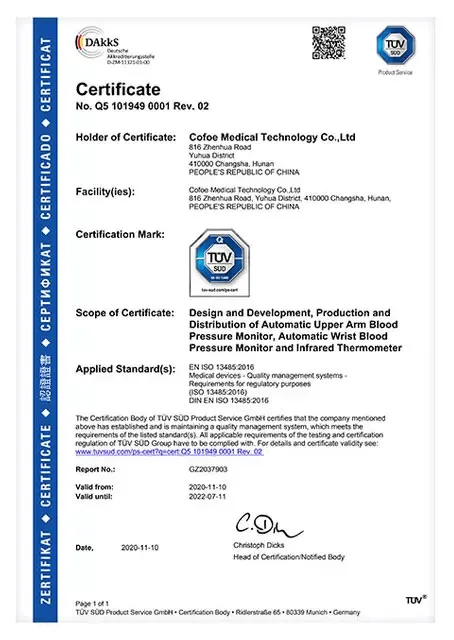
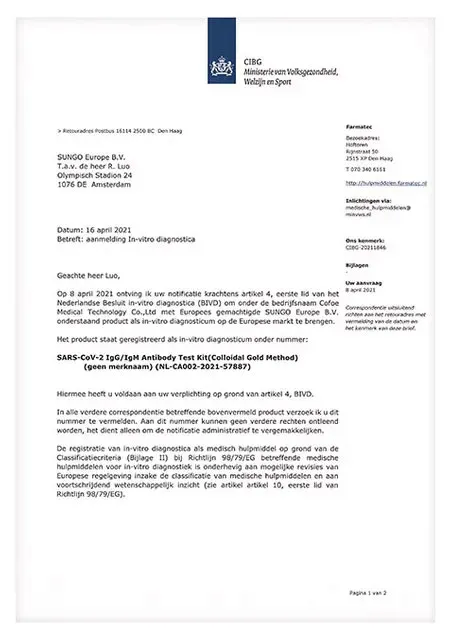
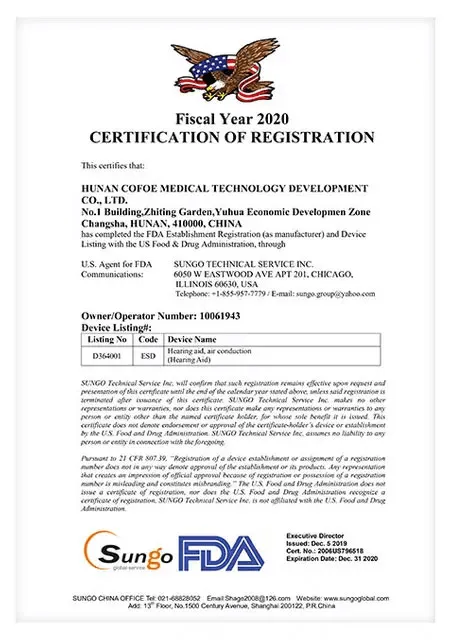
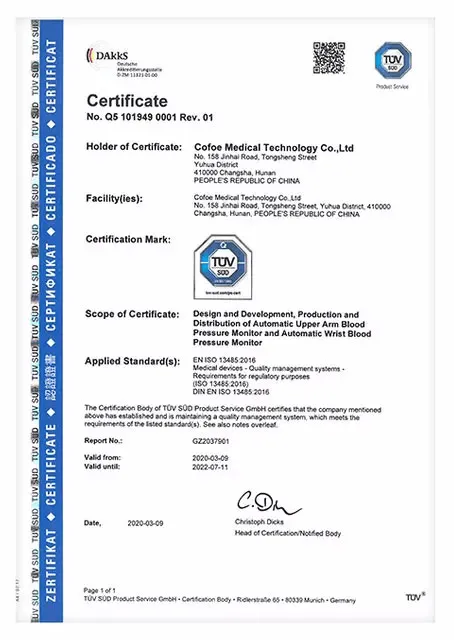
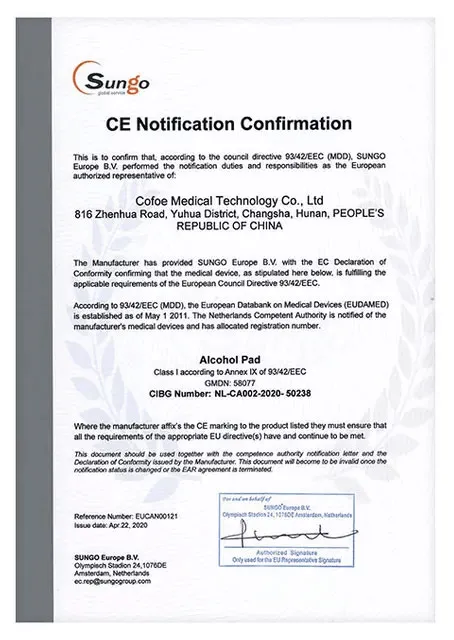
Our Certificate

Video
FAQ
Q: What is a twin screw extruder?
Q: How does a twin screw extruder work?
Q: What are the advantages of using a twin screw extruder?
Q: What industries use twin screw extruders?
Q: What types of materials can be processed with a twin screw extruder?
Q: What are the main components of a twin screw extruder?
Q: What factors should be considered when selecting a twin screw extruder?
Q: What is the difference between co-rotating and counter-rotating twin screw extruders?
Q: What are the advantages of co-rotating twin screw extruders?
Q: What are the advantages of counter-rotating twin screw extruders?
Q: Can twin screw extruders process materials with additives or fillers?
Q: How is the temperature controlled in a twin screw extruder?
Q: Can twin screw extruders handle high-viscosity materials?
Q: What is the role of the die in a twin screw extruder?
Q: Can twin screw extruders be used for recycling materials?
Q: How is the quality of the extruded product ensured?
Q: Can twin screw extruders be used for research and development purposes?
Q: What maintenance is required for twin screw extruders?
Q: Can twin screw extruders be customized for specific applications?
Q: Are twin screw extruders suitable for small-scale production?
We're well-known as one of the leading twin screw extruder manufacturers and suppliers in China for our quality products made in China with competitive price. Please feel free to buy bulk twin screw extruder in stock here from our factory.
GSJ Series Twin Screw Extruder